

COASTAL HAZARDS
Understanding Coastal Hazards in Monmouth County
Monmouth County's shoreline communities face a variety of coastal hazards that can impact residents, businesses, and visitors. Coastal hazards include:
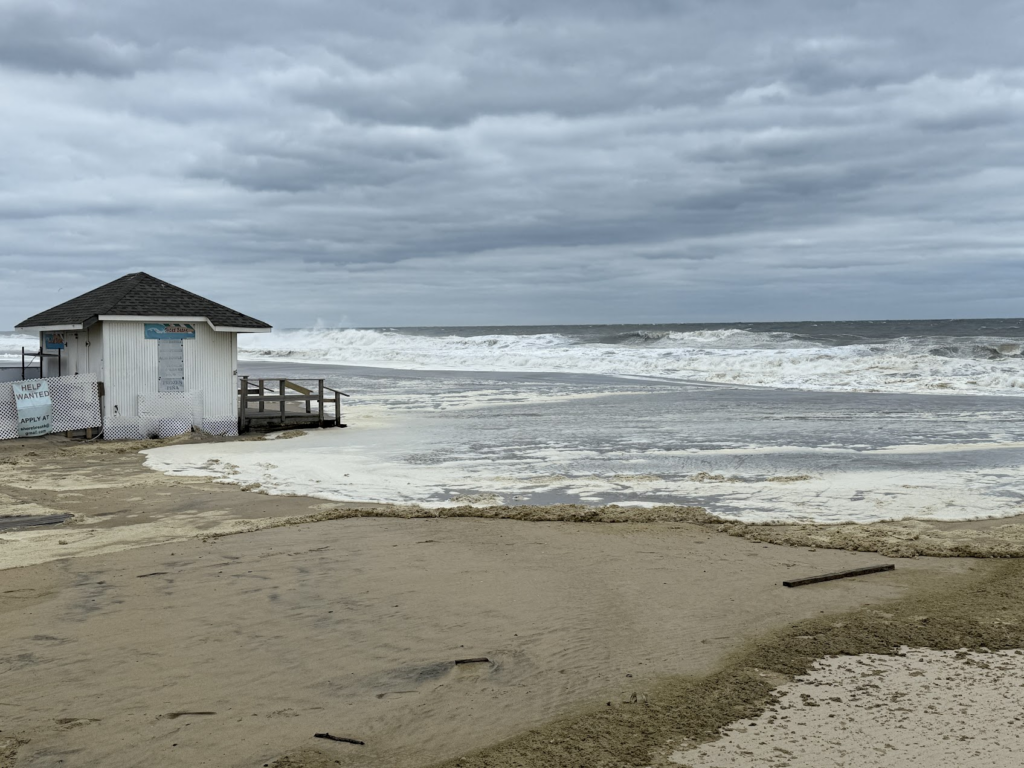 Storm surge from hurricanes and tropical systems
- Coastal flooding during nor'easters
- Tidal or "sunny day" flooding
- Flash flooding from heavy rainfall
- Beach and dune erosion
- High surf and rip currents
- Sea level rise and increasing flood risk
These hazards can occur with little warning and may impact areas well beyond the immediate coastline. Understanding your risk and preparing before a storm is the best way to protect your family and property.
Know Your Evacuation Zone
Monmouth County's "Know Your Zone" program helps residents determine whether they live, work, or vacation in a hurricane evacuation zone.
Important: Evacuation zones are NOT the same as FEMA flood zones. Evacuation zones are based on potential storm surge impacts from hurricanes and coastal storms.
Find Your Evacuation Zone
Monmouth County Know Your Zone
If local officials issue an evacuation order for your zone, leave early and follow official instructions.
Know Your Flood Risk
Flooding can occur anywhere, even outside of mapped FEMA flood zones. New Jersey encourages residents to understand both current and future flood risks. (NJDEP)
Check Your Flood Zone
NJDEP Flood Risk Tool
New Jersey Flood Indicator Tool
FEMA Flood Maps
Remember: Flood maps are based on historical data and may not fully reflect future conditions caused by sea level rise or more intense rainfall. (NJDEP)
Hurricane Preparedness
Hurricane season runs from June 1 through November 30. Hurricanes and tropical storms can bring damaging winds, storm surge, flooding, power outages, and dangerous surf conditions. (NJ.gov)
- Before a Hurricane
- Know your evacuation route.
- Build an emergency supply kit.
- Review your insurance coverage.
- Secure outdoor furniture and loose items.
- Charge phones and backup batteries.
- Make plans for pets and family members with access or functional needs.
- Sign up for local emergency alerts.
Hurricane Preparedness Resources
Ready.gov Hurricane Preparedness Guide
Flood Safety
Flooding is one of the most common hazards affecting Monmouth County. Even a few inches of moving water can knock a person down or sweep away a vehicle. (mcsonj.org)
Flood Safety Tips
- Never drive through flooded roadways.
- Move to higher ground when flooding threatens.
- Stay away from floodwaters.
- Protect important documents in waterproof containers.
- Review your flood insurance coverage before a storm.
Learn More
NJOEM Flood and Flash Flood Safety
National Flood Insurance Program (NFIP)
Stay Informed
Monitor weather forecasts and emergency information before, during, and after coastal storms.
Weather and Warning Resources
National Weather Service Mount Holly
NOAA Weather Radio Information
Hazard Mitigation
Neptune Township OEM works year-round to reduce the impacts of flooding, coastal storms, severe weather, and other hazards through public education, resilience projects, and grant-funded initiatives.
Building a More Resilient Community
Hazard mitigation helps reduce future disaster losses before they occur. Neptune OEM focuses on:
- Reducing flood and storm damage
- Protecting repetitive loss areas
- Improving community resilience
- Strengthening critical infrastructure
- Lowering long-term recovery costs
- Protecting taxpayer investments
Public Education & Preparedness
Prepared residents are more resilient residents. Through social media, community outreach, training programs, and preparedness campaigns, Neptune OEM promotes:
- Hurricane and flood preparedness
- Emergency planning and supply kits
- Severe weather safety
- CERT volunteer programs
- Monmouth County's Know Your Zone initiative
- Emergency alert systems
These efforts help residents better prepare for emergencies and reduce the impacts of disasters on our community.
Featured Project: South Riverside Drive Living Shoreline
Neptune Township partnered with regional and state organizations to complete the South Riverside Drive Living Shoreline project along the Shark River.
Project benefits include:
- Reduced flooding and shoreline erosion
- Improved storm resilience
- Enhanced wetlands and natural habitats
- Protection of nearby homes and infrastructure
Learn More:
South Riverside Drive Living Shoreline Project
Saving Taxpayer Dollars
Mitigation projects help reduce future disaster costs by preventing damage before it occurs. By targeting areas prone to repetitive flooding and securing state and federal grant funding, Neptune OEM can:
- Reduce emergency response and recovery costs
- Minimize damage to public infrastructure
- Lower repetitive loss claims
- Complete projects with less reliance on local tax dollars
Through proactive planning, public outreach, and strategic investments, Neptune OEM continues to build a safer and more resilient community.